Durable Design
Bundaberg Cable Tool Drilling
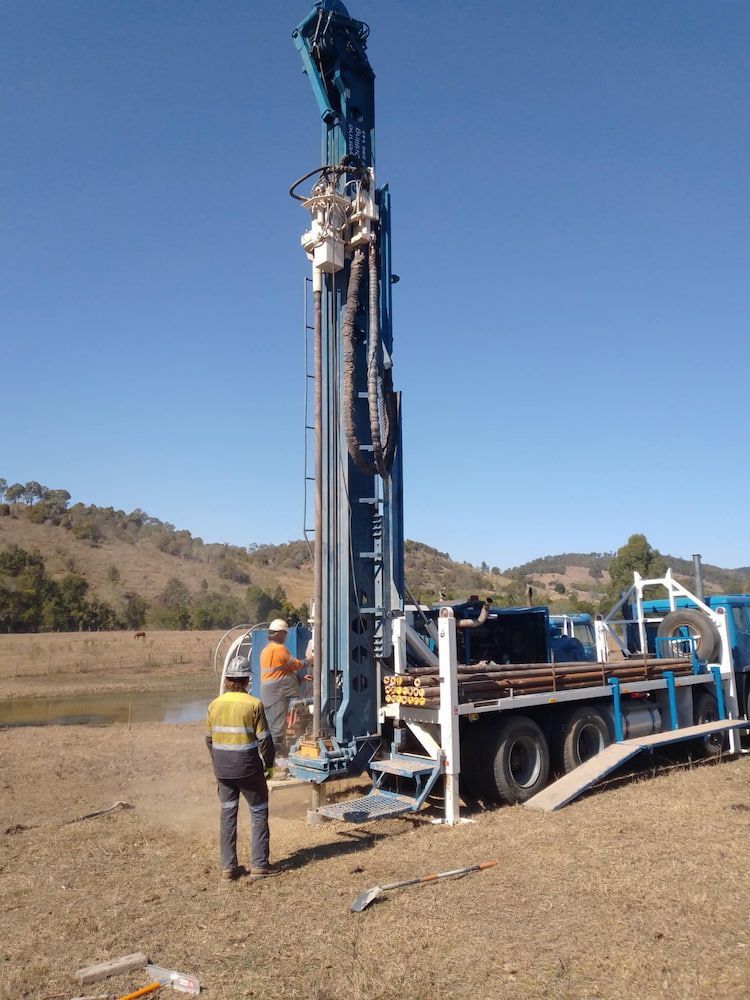
Cable tool drilling is a reliable, low-impact method well-suited to Bundaberg’s diverse terrain, from basalt plains to sandy soils. Cheyenne Drilling has over 16 years of experience delivering this precise technique for landowners, farmers, and rural property managers across the region. The process involves striking the ground with a heavy bit to fracture and lift material layer by layer. This makes it ideal for bores where clarity, soil evaluation, and minimal disturbance are key.
In the Bundaberg area, where aquifers and ground composition can vary significantly, this method helps prevent over-drilling and protects borehole walls. It’s especially useful in areas around Childers, Bargara and Burnett Heads where clean water access is critical and geology can shift quickly. With no slurry or drilling fluids required, the bore remains uncontaminated and easier to case.
For reliable results and tailored solutions, contact Cheyenne Drilling today on 0447 280 143 for a quote or site inspection.
Ideal for Test Holes
Clean Soil Profile
No Fluid Contamination
Local Knowledge
Designed for Regional Soils
Bundaberg’s varied subsoils—from dense clays to porous sands—can make drilling a challenge, but cable tool techniques offer better stability and control. This approach lets us adapt as we go, adjusting tools and timing based on the material encountered.
It also gives a clearer picture of each layer, making it easier to identify usable water sources or geological boundaries. That’s especially important in agriculture-heavy areas like Alloway or Woongarra, where water quality and flow rate matter. It’s a measured approach that results in cleaner, longer-lasting bores across the region.
What depth can cable tool drilling reach in Bundaberg?
Depth depends on your specific site and the type of bore required. In Bundaberg, cable tool drilling is commonly used for bores up to 100 metres, but can go deeper if needed. This method works well across basaltic and sedimentary layers found in the area. Because the drilling progresses slowly, it provides accurate logging of soil types and water strike zones. This depth control is useful for both shallow stock bores and deeper agricultural or monitoring wells.
Does cable tool drilling affect water quality?
Not at all. In fact, one of the benefits of this method is that it doesn’t use drilling mud or slurry, which helps keep the bore cleaner and reduces the chance of contaminating the aquifer. This is especially valuable in farming regions like Bundaberg, where maintaining water purity for crops or livestock is essential. With less surface disturbance and no chemical additives, it’s a preferred option for those prioritising groundwater health.
How long will a cable tool bore last?
A well-constructed bore using cable tool drilling can last several decades, especially when matched with appropriate casing and regular maintenance. In Bundaberg, many rural landowners have relied on these bores for over 30 years without issue. The slow, deliberate drilling style reduces the risk of wall collapse or shifting during installation, which improves structural integrity long-term. As with any bore, periodic servicing and water testing help maximise lifespan and performance.



