Cable Tool Drilling in Wide Bay-Burnett
- No Setup Fees
- Free Onsite Quotes
- 16+ Years Experience
Get A Callback in Wide Bay-Burnett
Contact Us
Thank you for contacting Cheyenne Drilling.
We will get back to you as soon as possible.
Please try again later.
Methodical Results
Wide Bay-Burnett Cable Tool Drilling
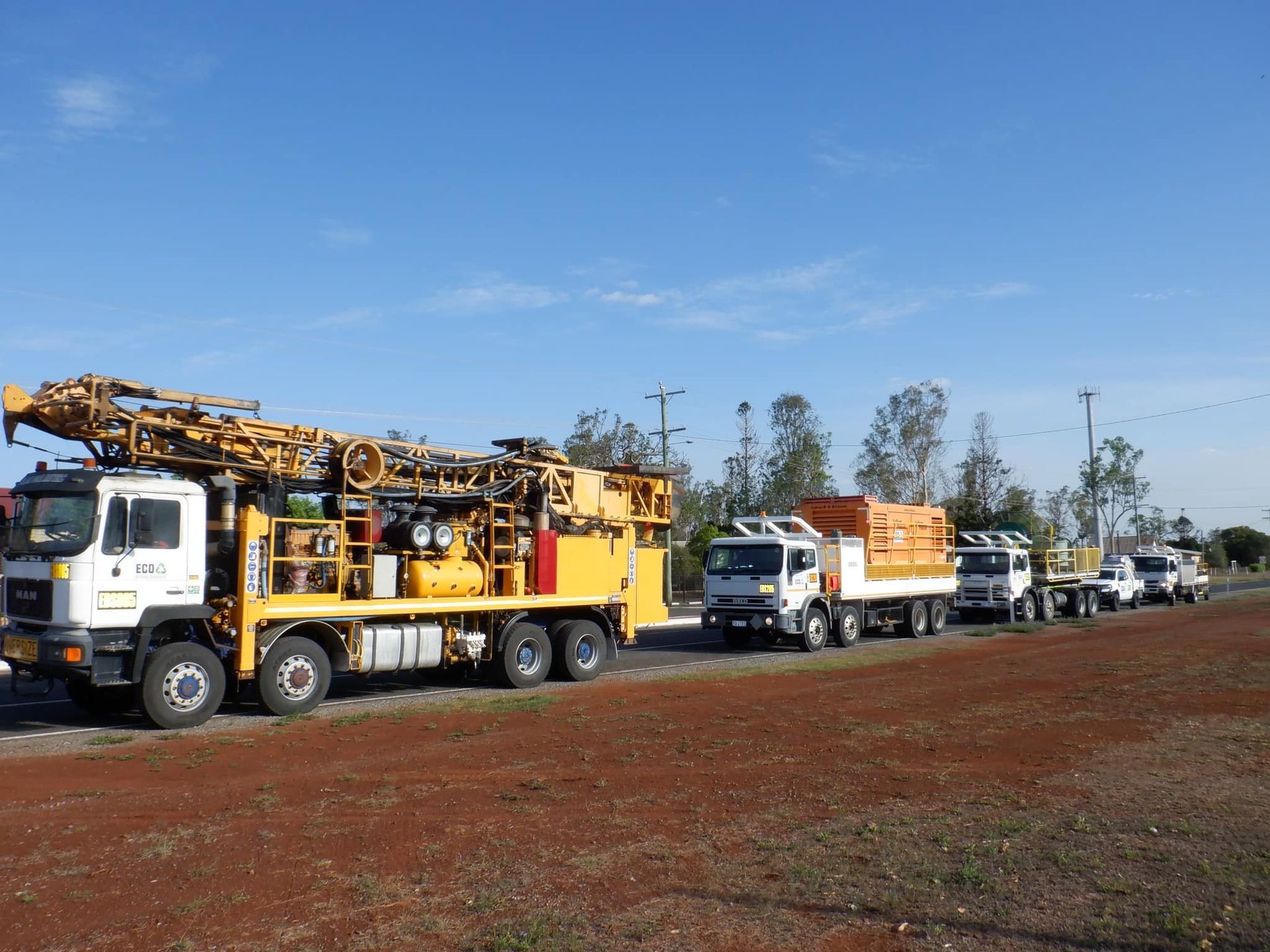
Cable tool drilling remains one of the most dependable options for creating long-lasting bores in Wide Bay–Burnett, where ground conditions can vary dramatically across properties. From the basalt ridges near Eidsvold to the clay-rich valleys around Mundubbera, this method is well-suited to the region’s challenges. Cheyenne Drilling has over 16 years of experience using cable tool drilling to create clean, reliable water bores without the use of slurry or drilling fluids.
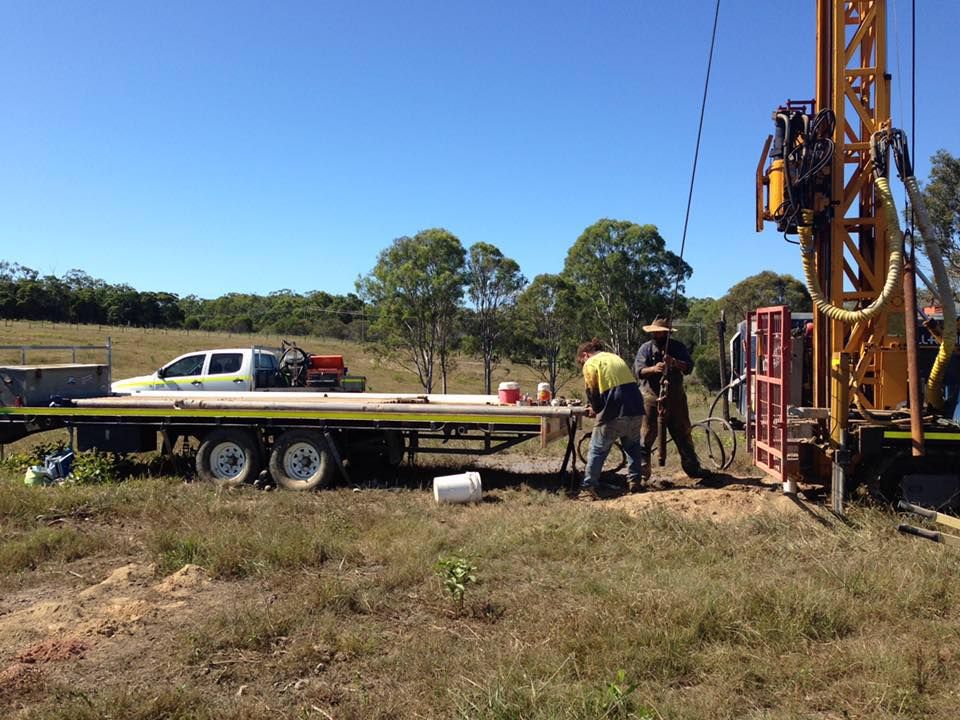
Instead of spinning through the ground, this technique lifts material out in stages using a percussive hammer action—offering real-time insights into each soil or rock layer. That level of control is especially useful when drilling test holes, stock bores, or domestic bores where stability, bore life, and water clarity matter. We use this method to reduce the risk of collapse during casing and to produce better long-term results for farms, acreages, and rural homes across the region.
If you’re looking for a tailored solution that puts ground conditions first, give Cheyenne Drilling a call on 0447 280 143 to book a quote or inspection.
Effective in Hard Ground
Precision Over Speed
Suitable for Test Holes
experienced plumbers
Built for Regional Ground
The Wide Bay–Burnett region features everything from soft topsoil to fractured rock and gravel seams, which makes cable tool drilling a smart choice for property owners seeking dependable results. Because it progresses gradually, layer by layer, it allows for real-time adjustment to technique and tool choice, depending on what the geology presents. This is a major benefit in rural areas like Gayndah or Biggenden, where aquifer depth and soil stability can vary between neighbouring properties.
Unlike rotary methods, this approach doesn’t introduce fluids that can disturb the site or obscure water quality. That makes it a cleaner, more precise process—one that helps landowners get longer life and better performance from their bores. The slower pace also reduces the risk of wall collapse during casing, and gives you more accurate data if you're drilling for monitoring or planning future irrigation. With more control, less impact and a stronger result, cable tool drilling is well matched to the region's rural needs.
Why is cable tool drilling ideal for rural Queensland?
Rural Queensland sites like those in Wide Bay–Burnett often involve unpredictable ground and sensitive aquifers. Cable tool drilling offers better control than rotary rigs, helping preserve borehole walls and improve long-term water yield. It doesn’t introduce contaminants or require heavy equipment, which reduces the impact on properties. This method is particularly valued by those who want to sample layers for water testing or geological review. It also allows for precision casing installation, improving bore durability over time.
Can cable tool drilling be used for test bores?
Yes, cable tool drilling is excellent for test bores because it gives a clearer stratigraphic record during the drilling process. In regions like Wide Bay–Burnett where hydrogeological variations are common, this method helps assess depth to water, aquifer quality and yield potential. It’s often used before committing to a full production bore, allowing landowners to make informed decisions. Its low disturbance style also suits environmentally sensitive areas and projects that require careful logging of subsurface conditions.
What does a typical project involve?
A standard cable tool project in Wide Bay–Burnett includes a site inspection, rig setup, drilling, casing installation, and sometimes bore development or cleaning. Because it’s a step-by-step process, our team can adapt to what the geology presents in real time. Unlike faster systems, cable tool drilling doesn’t rush, making it better for properties that want long-term performance over speed. Once complete, the bore can be developed and tested for flow, ensuring it meets your specific usage needs.



